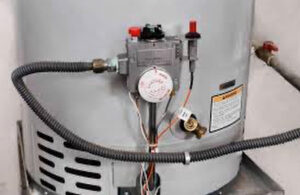
How Long Do Hot Water Heaters Typically Last?

Hot water heaters are essential appliances in every home. They provide warm water for everyday tasks like bathing, cleaning, and cooking. However, like any other appliance, they don’t last forever. So, how long do hot water heaters typically last? Let’s break it down and discuss ways to maximize their lifespan.


Understanding the Average Lifespan

The lifespan of a hot water heater depends on its type and maintenance. Here’s a general guide:

  1. Tank Water Heaters
    • Average Lifespan: 8–12 years
    • Tank water heaters are the most common type found in homes. Over time, sediment buildup, rust, and wear on components can reduce their efficiency. Regular maintenance can help extend their lifespan.
  2. Tankless Water Heaters
    • Average Lifespan: 20+ years
    • Tankless systems, also called on-demand heaters, last much longer than traditional tanks. Since they don’t store water, there’s less risk of rust or sediment buildup.
  3. Factors That Influence Lifespan
    • Water Quality: Hard water can cause mineral deposits to build up faster, reducing efficiency.
    • Usage: Heaters in larger households often have a shorter lifespan due to heavier use.
    • Maintenance: Systems that are regularly flushed and inspected last longer.

If your heater is nearing the end of its lifespan, it might be time to search for a professional. Look for services like water heater in Carlsbad to get expert advice on whether to repair or replace your unit.


Signs Your Water Heater Is Failing

Before your water heater stops working completely, it may show warning signs. Here are a few to watch for:

  1. Inconsistent Water Temperature
    • Fluctuating water temperatures may indicate a failing heating element.
  2. Strange Noises
    • Rumbling or popping noises are often caused by sediment buildup in the tank.
  3. Rusty or Discolored Water
    • Rusty water suggests corrosion inside the tank.
  4. Leaks Around the Tank
    • Water pooling near the heater is a sign of a leak and may require immediate attention.
  5. Reduced Efficiency
    • If your water heater struggles to keep up with demand, it may be time for a replacement.

If you notice any of these issues, it’s important to act quickly. Contacting an emergency plumber in Carlsbad can help you avoid further damage and costly repairs.


How to Extend the Life of Your Water Heater

  1. Flush the Tank Annually
    • Draining and flushing the tank removes sediment that can cause damage.
  2. Inspect the Anode Rod
    • The anode rod helps prevent rust inside the tank. Replacing it every few years can add years to your heater’s lifespan.
  3. Install a Water Softener
    • If your home has hard water, a water softener can reduce mineral buildup.
  4. Check the Pressure Relief Valve
    • This valve is a critical safety feature. Make sure it’s functioning properly during routine inspections.
  5. Schedule Regular Maintenance
    • Professional inspections can catch small problems before they turn into major repairs. Services specializing in water heater maintenance, like those offering water heater repair in Carlsbad, are invaluable for this.

When to Replace Your Water Heater

If your water heater is over 10 years old and showing signs of wear, replacement may be more cost-effective than repairs. Modern water heaters are more energy-efficient, which can save money on utility bills in the long run.

Replacing your unit with the help of an emergency plumber in Carlsbad ensures that the installation is done correctly and safely.


Conclusion

Most hot water heaters last 8–12 years, while tankless models can last over 20 years. Factors like water quality, usage, and maintenance play a significant role in determining their lifespan. Regular upkeep, such as flushing the tank and inspecting components, can extend the life of your heater and ensure consistent performance.

If you’re unsure whether your water heater needs repairs or replacement, contact a local expert offering water heater repair in Carlsbad. They can assess your system and recommend the best course of action. Staying proactive with maintenance not only extends the life of your heater but also keeps your home running smoothly.…
Water Heater Installation: Essential Steps

Installing a water heater is a crucial task for homeowners in Carlsbad, California. Whether you are replacing an old unit or setting up a new one, understanding the installation process is essential. This guide outlines the key steps involved in water heater installation and highlights the importance of hiring qualified plumbers, especially when you need an emergency plumber in Carlsbad.

Types of Water Heaters

First, let’s explore the different types of water heaters. There are two main categories to consider: tank and tankless water heaters.

  1. Tank Water Heaters: These units come with a storage tank that holds heated water. They usually range in size from 30 to 80 gallons. Consequently, they are suitable for larger households that require a significant amount of hot water.
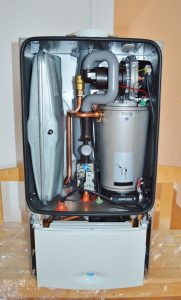
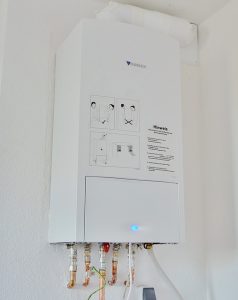
  2. Tankless Water Heaters: Also known as on-demand heaters, these units heat water directly without a storage tank. This type is more energy-efficient and provides an endless supply of hot water. Thus, tankless heaters are excellent for smaller homes or those looking to save on energy bills.

When choosing a type, consider your household’s hot water needs as well as your energy efficiency preferences.

Planning Your Installation

After selecting the right water heater, the next step is careful planning. Here are some important considerations:

1. Choose the Right Location

The installation location is critical for efficient operation. Ideally, you should place the water heater in an area that allows easy access for maintenance and repairs. For instance, consider using a utility room or garage. Additionally, make sure the location meets local building codes and has proper ventilation, especially for gas-powered units.

2. Obtain Necessary Permits

In Carlsbad, specific plumbing projects, including water heater installations, may require permits. Therefore, it is essential to check with the local building department to determine what permits you need. If you fail to obtain the necessary permits, complications and potential fines may arise.

3. Shut Off Water and Power Supply

Before starting the installation, turn off the water supply to the old heater. If you are replacing an electric heater, turn off the power at the circuit breaker. For gas heaters, turn off the gas supply. Taking these safety steps is crucial.

Installation Process

The installation process can vary based on the type of water heater and your existing plumbing setup. However, the general steps include:

1. Remove the Old Water Heater

If you are replacing an old unit, carefully disconnect and remove it from the plumbing and electrical connections. Be cautious while draining the tank, as it can be heavy and may still contain hot water.

2. Install the New Unit

  • For Tank Water Heaters: Position the new water heater in the designated area, ensuring it is level. Next, connect the cold water supply line to the inlet and the hot water line to the outlet. Additionally, install the temperature and pressure relief valve according to the manufacturer’s instructions.
  • For Tankless Water Heaters: Mount the unit on the wall according to the manufacturer’s guidelines. Connect the water supply lines and ensure that the electrical or gas connections are properly made.

3. Connect Power or Gas Supply

For electric heaters, reconnect the electrical supply, ensuring that all connections are secure. Follow the wiring diagram provided by the manufacturer. For gas heaters, connect the gas line and check for leaks using a soap solution.

4. Fill the Tank and Test

Before turning the power or gas back on, fill the tank with water. Open a hot water faucet in the house to allow air to escape. Once the tank is full, turn on the power or gas supply and check for leaks in the connections.

Conclusion

In conclusion, installing a water heater is not a simple DIY project. It requires careful planning and technical knowledge. Therefore, for Carlsbad residents, hiring a qualified plumber or an emergency plumber in Carlsbad is highly recommended. Professionals can ensure that your water heater installation meets all local codes and operates safely.

By understanding the installation process and available options, homeowners can make informed decisions. Whether you choose a traditional tank heater or a modern tankless model, proper installation will provide reliable hot water access for years to come.…

Can I Install a Water Heater by Myself?

When faced with the task of replacing or installing a water heater, many homeowners ask themselves: “Can I install a water heater by myself?” While it may seem like a feasible DIY project for someone with some handyman experience, there are many factors to consider before attempting to install a water heater on your own. In this post, we’ll explore whether it’s a good idea to take on this task yourself and when you should call a professional, such as an emergency plumber in Carlsbad.

Water heaters are essential for maintaining comfort and functionality in your home. Whether you’re taking a hot shower, doing laundry, or washing dishes, a reliable water heater ensures you have access to warm water when you need it. If your current water heater is nearing the end of its life or has already failed, the question arises: should you attempt to install a new one by yourself, or hire a professional?

While it’s tempting to save on labor costs by installing a water heater yourself, this type of project can be more complex and risky than it appears. A poorly installed water heater can lead to safety hazards, water damage, and increased energy costs. Let’s take a look at the pros and cons of DIY installation versus hiring a water heater in Carlsbad professional.

The Challenges of Installing a Water Heater by Yourself
Installing a water heater isn’t just a matter of swapping out the old unit and hooking up the new one. There are several technical and safety considerations that must be addressed.

1. Electrical and Gas Safety
Water heaters are powered by either electricity or gas, both of which require a thorough understanding of safety protocols. If you’re installing a gas water heater, you’ll need to be familiar with how to handle gas lines and ensure there are no leaks. A gas leak can be extremely dangerous, resulting in fire hazards or carbon monoxide poisoning.

If you’re installing an electric water heater, you’ll need to have experience with electrical wiring and circuit breakers. Faulty wiring can lead to electrical fires or damage to the unit itself. If you’re not well-versed in electrical work, it’s best to consult an expert.

2. Water Connections
Water heaters need to be properly connected to your home’s water supply. This involves ensuring there are no leaks, using the correct fittings, and understanding how to install and test temperature and pressure relief valves. If these connections aren’t done correctly, you could end up with leaks that lead to water damage or mold growth in your home.

In addition, improper water pressure can cause damage to the water heater tank, shortening its lifespan and leading to more frequent repairs. A water heater in Carlsbad professional will be able to ensure that all the plumbing connections are secure and meet code.

3. Code Compliance
Most municipalities have specific building codes that must be followed when installing a water heater. These codes are designed to protect homeowners from unsafe installations. If you install a water heater on your own and it doesn’t meet code, you could face fines, or worse, the heater may be at risk of malfunctioning.

Hiring a licensed emergency plumber in Carlsbad ensures that the installation is compliant with local codes and regulations. This also ensures that any warranties on the water heater will be valid, as many manufacturers require professional installation for their warranties to remain intact.

4. Permits and Inspections
In many areas, installing a water heater requires obtaining a permit and scheduling an inspection once the work is complete. Failure to obtain the proper permits can result in costly fines and complications if you ever decide to sell your home. A professional plumber will handle the permit process for you and ensure that the installation passes inspection.

5. Time and Tools
Even if you are an experienced DIYer, installing a water heater can take several hours and requires specialized tools that you may not have on hand. Some steps of the installation, such as draining the old water heater and connecting the new one, can be physically demanding and time-consuming. A professional plumber has the necessary tools and experience to get the job done efficiently.

The Benefits of Hiring a Professional
While installing a water heater yourself may seem like a cost-effective option, there are several benefits to hiring a professional, especially if you’re facing an urgent situation and need an emergency plumber in Carlsbad.

Expert Knowledge: A professional plumber has the expertise to ensure the installation is done correctly, safely, and efficiently. They’ll know how to handle gas lines, electrical wiring, and water connections without risking your home’s safety.

Saves Time: Rather than spending an entire weekend trying to figure out the installation, a professional can typically install a water heater in just a few hours, saving you both time and stress.

Warranties and Insurance: Professional installations are typically covered by warranties and are insured. If something goes wrong, the plumber will be responsible for fixing it, whereas with a DIY installation, you’ll be liable for any damage or malfunction.

Code Compliance: As mentioned earlier, a professional will ensure that your installation meets local building codes, reducing the risk of future problems and keeping your home up to standard.

Conclusion
While it’s technically possible to install a water heater by yourself, it’s not always the best idea. The complexity of the installation process, combined with the safety risks and the need for compliance with building codes, means that hiring a water heater in Carlsbad professional is often the smarter and safer choice.

Not only will a professional plumber in Carlsbad ensure that your water heater is installed correctly, but they’ll also save you time and prevent potential future headaches. If you’re in a rush or need immediate assistance, calling an emergency plumber in Carlsbad can help you get hot water back in your home quickly and safely. Ultimately, the peace of mind that comes with a professional installation is worth the investment.…

What is the Average Labor Cost to Install a 50-Gallon Gas Water Heater?

When it comes to ensuring a steady supply of hot water for your household, a 50-gallon gas water heater is a popular choice for many homeowners. Whether you’re replacing an old unit or installing a new one, understanding the costs involved—especially labor costs—is crucial. In this blog post, we’ll dive into what you can expect in terms of labor costs when installing a 50-gallon gas water heater. We’ll also discuss some factors that may influence the overall cost and how you can find reliable professionals in your area, like those offering services for a water heater in Carlsbad or an emergency plumber in Carlsbad.

The installation of a gas water heater, particularly a 50-gallon unit, is a significant undertaking that requires professional expertise. While the price of the unit itself can vary based on brand, efficiency, and features, labor costs are a critical part of the equation. Labor costs can vary widely depending on where you live, the complexity of the installation, and the plumber’s experience. Homeowners in Carlsbad, for example, might look for a water heater in Carlsbad or consult an emergency plumber in Carlsbad to get accurate estimates.

1. What Influences Labor Costs?

Labor costs for installing a 50-gallon gas water heater can vary due to several factors:

  • Geographic Location: Labor rates differ across regions. In areas with a higher cost of living, such as Carlsbad, you might expect to pay more for professional plumbing services.
  • Complexity of Installation: If your installation requires additional work, such as modifying venting systems, upgrading gas lines, or bringing the installation up to code, labor costs will increase. Replacing an old water heater is typically less expensive than installing one in a new location or in a home that has never had a gas water heater before.
  • Permits and Inspections: Some municipalities require permits and inspections for water heater installations, which can add to the labor cost. In some cases, the plumber will handle this process, but it will be reflected in the final bill.
  • Time Required: Most standard installations take between 2 to 4 hours. However, if complications arise—like having to move the water heater to a different location or addressing unforeseen issues—the time required can increase, thereby increasing labor costs.
  • Professional Expertise: More experienced plumbers or those who offer specialized services, such as emergency plumber in Carlsbad, may charge higher rates due to their expertise and availability.
2. What Is the Average Labor Cost?

On average, labor costs for installing a 50-gallon gas water heater typically range from $500 to $1,000. This range includes the removal of the old unit, installation of the new heater, and basic adjustments or updates needed to bring the installation up to code. Here’s a more detailed breakdown:

  • Basic Installation: For a straightforward installation, where no additional modifications are needed, labor costs are generally between $500 and $700. This includes disconnecting the old unit, installing the new one, and connecting it to existing plumbing and gas lines.
  • Moderate Installation: If the installation requires some modifications, such as adjusting venting or gas lines or making minor structural changes, labor costs can rise to between $700 and $900.
  • Complex Installation: For installations that involve significant modifications or issues, such as moving the water heater to a new location, dealing with difficult access, or upgrading the system to meet code requirements, labor costs could range from $900 to $1,200 or more.
3. Finding the Right Professional

Finding a reliable plumber who can offer a fair and accurate estimate is crucial for avoiding unexpected expenses. If you’re in the Carlsbad area, searching for a water heater in Carlsbad or contacting an emergency plumber in Carlsbad can connect you with local professionals who understand the specific requirements of your region. Here are some tips for finding the right plumber:

  • Get Multiple Estimates: Don’t settle for the first estimate you receive. Contact at least three different plumbers to get a range of quotes and to understand the scope of work involved.
  • Check Credentials: Ensure that the plumber you hire is licensed, insured, and experienced in water heater installations. This will help you avoid subpar work that could lead to costly repairs down the line.
  • Read Reviews: Look up reviews or ask for references from previous customers. A reputable plumber will have positive feedback and a track record of successful installations.
  • Ask About Warranties: Some plumbers offer warranties on their work, which can provide peace of mind in case issues arise after the installation.

Conclusion

Installing a 50-gallon gas water heater is a substantial investment, and understanding the labor costs involved is key to budgeting for the project. On average, you can expect to spend between $500 and $1,000 on labor, depending on the complexity of the installation and the region in which you live. To ensure you’re getting the best value, it’s important to find a reputable professional. If you’re located in Carlsbad, consider reaching out to a water heater in Carlsbad service provider or an emergency plumber in Carlsbad for reliable estimates and quality service.

By doing your research, obtaining multiple quotes, and working with a skilled professional, you can ensure that your water heater installation goes smoothly, providing your home with reliable hot water for years to come.…

Understanding the Cost of Water Heater Installation

Water heaters are essential household appliances, providing the hot water necessary for showers, dishwashing, laundry, and more. However, when it comes time to install a new water heater, many homeowners are often caught off guard by the costs involved. This article will break down the factors influencing the cost of water heater installation, helping you understand what to expect and how to budget for this critical home improvement project. We’ll also highlight when to seek professional services like water heater installation in Carlsbad or an emergency plumber in Carlsbad.

Installing a new water heater can be a significant investment. Whether you’re replacing an old, inefficient unit or installing one in a new home, understanding the costs involved is crucial. Various factors can influence the overall expense, including the type of water heater, installation complexity, and additional components or modifications required. By understanding these elements, you can make an informed decision and ensure you get the best value for your money.

Types of Water Heaters and Their Costs
  1. Tank Water Heaters
    • Conventional Storage Tank Water Heaters: These are the most common type, storing a large volume of hot water in a tank. They are generally less expensive, with installation costs ranging from $800 to $1,500, depending on the tank size and efficiency.
    • Heat Pump Water Heaters: These use electricity to move heat from one place to another instead of generating heat directly. While more energy-efficient, they are pricier, with installation costs between $1,200 and $3,000.
  2. Tankless Water Heaters
    • Electric Tankless Water Heaters: These provide hot water on demand without storing it in a tank. Installation costs typically range from $1,000 to $3,000, depending on the unit’s capacity and the complexity of the installation.
    • Gas Tankless Water Heaters: Similar to their electric counterparts but powered by gas. They are generally more expensive, with costs ranging from $1,500 to $4,000 due to the need for venting and gas line installation.
Factors Influencing Installation Costs
  1. Labor Costs Labor costs can vary significantly based on your location and the complexity of the installation. In areas like Carlsbad, labor costs may be higher due to the cost of living. Hiring experienced professionals, such as those offering water heater installation in Carlsbad, ensures the job is done correctly and safely.
  2. Permits and Inspections Many jurisdictions require permits and inspections for water heater installations. Permit costs can range from $50 to $500, depending on local regulations. It’s essential to factor these into your budget to avoid any surprises.
  3. Modifications and Upgrades
    • Plumbing Modifications: If your existing plumbing isn’t compatible with the new water heater, modifications may be necessary. This can add $200 to $1,000 or more to the installation cost.
    • Electrical Upgrades: Tankless and heat pump water heaters may require electrical upgrades, such as new wiring or a dedicated circuit. This can cost an additional $500 to $1,500.
    • Venting: Gas water heaters require proper venting to remove combustion gases. Installing or upgrading venting systems can add $300 to $1,500 to the cost.
  4. Additional Components
    • Expansion Tanks: In some cases, an expansion tank is required to prevent pressure build-up in the water heater. These typically cost $40 to $200, plus installation.
    • Water Heater Pan and Drain Line: Installing a water heater pan and drain line can prevent damage from leaks, adding $50 to $200 to the cost.
When to Call a Professional

While some handy homeowners may feel confident tackling a water heater installation, it’s often best to hire a professional, especially in complex situations. Services like water heater installation in Carlsbad or an emergency plumber in Carlsbad offer the expertise and experience needed to handle any challenges that arise.

  • Complex Installations: If your installation involves significant modifications or upgrades, professional help is essential to ensure everything is up to code and safe.
  • Emergency Situations: If your old water heater has failed and you need a quick replacement, an emergency plumber in Carlsbad can provide prompt and reliable service.

Conclusion

The cost of water heater installation can vary widely based on the type of water heater, installation complexity, and additional components required. Understanding these factors helps you budget effectively and make informed decisions. While some installations may seem straightforward, hiring a professional ensures the job is done correctly and safely. Whether you need routine installation or emergency services, professionals offering water heater installation in Carlsbad or an emergency plumber in Carlsbad can provide the expertise you need. By planning ahead and knowing what to expect, you can ensure a smooth and efficient installation process, providing reliable hot water for years to come.…

What Is A Water Heater?

A water heater can also be called a boiler, cumulus, or hot water tank.

It is a device that can produce and store hot water for domestic use: shower, bath, dishes … The tank is filled with cold water first, then according to the chosen system, the water is heated and available all day, as needed.

Generally, the water heater is programmed so that the cold water is warmed during off-peak hours (at night) and available in total capacity of the tank in the morning (so that the whole family can take a shower for example).

Most water heaters today heat the water directly as it is used. Those are instant water heaters.

A cumulus or a hot water tank (or ” boiler ” in English) are storage water heaters. They have the advantage of consuming less energy than instantaneous water heaters. Each quantity of hot water taken during the day is replaced by cold water, which will then be reheated. The capacity of the cumulus is an important aspect: when all the available hot water is consumed, only cold water will remain, and it will be necessary to wait for the night so that the system starts to heat it again. However, there is the possibility to put the cumulus or hot water balloon forced to heat the water, including during peak hours.

The boiler is used to heat the heating appliances such as radiators, but also the clean water. The boiler can be coupled with a hot water tank or water heater. The heating power is important.

A / Directly Heated Water Heaters Directly

Heated water heaters operate independently of central heating and have their own burner. The water passes through a spiral pipe placed in the hot gases. This system is the most advantageous: the heating time is short, and the water flow is high.

B / Indirect Heating Water Heaters

Indirectly heated water heaters operate using the central heating boiler. The heating water is sent to a plate exchanger with a very large exchange surface. The heat is instantly transferred to the clean cold water. During the period of domestic hot water draw, the heating circuit is shortened by a bypass that turns the heating water under the flame before it goes to the radiators. Advantage: almost instantaneous warming.
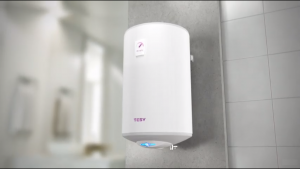
Other models operate on the same principle as the water bath: one tank in another. Hot water from the boiler that fills the outer container (water from the heating circuit) warms the water in the inner container (domestic hot water). Advantage: the reheating is softer; there is less danger of calcareous deposits. The inner tank contains hot water immediately available, but the heat transfer is slower; if the draw is huge, the temperature may drop.

The water heater (electric) can be installed in a house, an apartment, a caravan, a camper, a cabin or workshop, a camping bungalow… All points are having a water supply and a power supply.

For other types of water heater call best plumber, it’s a bit more complicated and it is important to hire professional plumber to install water heater.…

How To Choose Your Model Of Water Heater?

Water heaters come in different forms (vertical, horizontal, pedestal, wall) and with different functions and capacities.

A / Calculate The Capacity Of Your Water Heater

With a cumulus or balloon, it is important to calculate the need for domestic hot water. This will depend mainly on the number of people, the type of water heater and habits.

It is generally based on a minimum of 50 liters per day per person.

  • 100l water heater: for a house with a shower.
  • 200l water heater: for a home with a bath.
  • Cumulus 300l: for a family with three children and several bathrooms.

B /  Choose between the instantaneous water heater and storage water heater, then opt for a type of energy (electricity, gas, solar)

C /  Choose the flow you need. The current depends on the number of simultaneous users, your piping, the insulation of your sanitary piping. This is important. Otherwise, you will end up with the typical case where one person in the shower is under cold water while another is doing the dishes in the kitchen!

D / Choose the shape and size of your water heater according to the criteria above and the room in which you will install it.

…