
How To Ensure A Smooth And Safe Water Heater Installation Process In Carlsbad

As a homeowner in Carlsbad, the last thing you want is to have a malfunctioning water heater or a poorly done installation job. Whether you’re replacing an old and unreliable unit or moving into a new home, it’s crucial to have a professional emergency plumber in Carlsbad to do the installation. In this blog post, we’ll discuss some key considerations to guarantee a smooth and safe water heater installation process.

1. Choose the right type and size of water heater

The first step towards a successful water heater installation is determining the right type and size of unit for your house. Factors that will determine this include the size of your family, your hot water usage habits, and the type of fuel available in your area. You can choose between electric, gas, solar or hybrid water heaters. It’s important to consult with an experienced plumber in Carlsbad to help you make the best decision.

2. Properly prepare the installation area

Before the plumber arrives to do the installation, ensure that the intended area is clean, well-lit, and free from any clutter. You should also make sure that there’s enough space for the plumber to work comfortably and ample ventilation to avoid gas build-up. Remove any items that could pose a hazard or obstruct the installation. If necessary, do some repiping to accommodate the new unit.

3. Hire a licensed and experienced plumber

Water heater installation is not a DIY project, and hiring just any plumber could lead to subpar work, safety hazards, and expensive repairs in the future. Look for a licensed, insured, and experienced emergency plumber in Carlsbad with a proven track record of delivering quality workmanship. They should also be able to provide references and warranties for their work.

4. Follow all installation requirements and regulations

To ensure the safety and efficiency of the water heater, it’s essential to follow all installation requirements and regulations. The plumber should install the unit according to the manufacturer’s instructions and abide by all local codes and safety standards. Be sure to obtain all the necessary permits and inspections for the installation to avoid potential fines or legal consequences.

5. Test and maintain the unit regularly

Once the installation is complete, the plumber should test the unit to ensure it’s functioning correctly and there are no leaks or gas emissions. They should also instruct you on how to operate and maintain the unit. It’s essential to schedule regular maintenance, including flushing the tank, replacing the anode rod, and checking the valves, to prolong the life of the water heater and prevent breakdowns.

In conclusion, water heater installation is a critical undertaking that should not be taken lightly. By choosing the right unit, adequately preparing the installation area, hiring an experienced Carlsbad plumber, following all regulations, and maintaining the unit regularly, you can enjoy consistent hot water supply for years to come. Contact a reputable emergency plumber in Carlsbad to help you with all your water heater installation needs.…
Water Heater Repair Or Installation: What Every Homeowner Needs To Know

In today’s world, hot water is a necessity. Whether it’s for a warm shower, doing laundry, or washing dishes, we rely on our water heater to provide us with hot water. However, water heaters, just like any other home appliance, can experience problems. When it comes to water heater repair or installation, homeowners in Carlsbad need to know what to do in case their tank experiences a malfunction.

Water Heater Repair

Having a broken water heater can be frustrating, especially during winter when we need hot water the most. Some common signs of a malfunctioning water heater include lack of hot water, strange noises, and leaks. If you experience any of these signs, it’s time to seek the services of an emergency plumber in Carlsbad.

One of the most common water heater problems is sediment buildup. When sediment accumulates at the bottom of the tank, it creates a barrier between the heating element and the water. This causes the water to heat unevenly, resulting in a lack of hot water. Your plumber can drain and flush your water heater to get rid of the sediment buildup. They can also replace the heating element or thermostat if necessary.

Another common problem is a leaking water tank. Leaks can be caused by a variety of factors, including corrosion and a faulty pressure relief valve. If you notice any water leaking from your tank, turn off the power supply to your water heater and call an emergency plumber as soon as possible.

Water Heater Installation

If you’re building a new home or your water heater has reached the end of its lifespan, it’s time to consider water heater installation. Choosing the right water heater can be confusing, as there are many different types and sizes available. Your plumber can help you choose the best water heater for your home based on your budget, hot water needs, and energy efficiency.

One of the most popular types of water heaters is the conventional storage tank. These tanks store a large amount of hot water and are available in different sizes. If you have a larger family, you might want to choose a bigger tank to ensure you have enough hot water for everyone.

Another type of water heater is the tankless water heater. These units only heat water on demand, meaning you’ll never run out of hot water. They’re also more energy-efficient than storage tanks, as they don’t have to keep a large amount of water hot at all times.

Conclusion

A broken water heater can cause a lot of inconvenience, especially during colder months. If you experience any signs of a malfunctioning water heater, such as a lack of hot water or leaks, it’s time to call an emergency plumber in Carlsbad. They can inspect your water heater, diagnose the problem, and provide the necessary repairs.

If your water heater has reached the end of its lifespan or you’re building a new home, consider water heater installation. Your plumber can help you choose the best type and size of water heater based on your hot water needs and budget. With the right water heater, you can enjoy hot water without any interruptions or problems.…

The Unsung Hero: Exploring the Wonders of the Water Heater

When it comes to modern comfort and convenience, few appliances play as significant a role as the water heater. From indulging in a soothing hot shower to effortlessly washing dishes, water heaters provide us with a constant supply of hot water that we often take for granted. In this article, we will dive into the world of water heaters installation, exploring their types, benefits, maintenance, and how they enhance our daily lives.

Types Of Water Heaters:

  1. Traditional Tank Water Heaters: The most common type, these heaters consist of a large tank that stores and heats water. They are available in various sizes to accommodate different household needs. Cold water enters the tank, gets heated by gas or electric elements, and is ready for use whenever required.
  2. Tankless Water Heaters: Also known as on-demand water heaters, these innovative systems heat water only when it is needed. They eliminate the need for a storage tank, providing hot water instantaneously. Tankless water heaters are energy-efficient and take up less space compared to traditional tank models.
  3. Heat Pump Water Heaters: These units use electricity to transfer heat from the surrounding air or ground to heat the water. They are highly efficient and can save significant energy costs in the long run.
  4. Solar Water Heaters: By harnessing the power of the sun, solar water heaters heat water using solar panels or collectors. They are eco-friendly and can substantially reduce energy consumption, especially in sunny regions.

Benefits Of Water Heaters:

  1. Hot Water On Demand: The primary advantage of water heaters is the luxury of having hot water readily available whenever you need it. Whether it’s for showering, bathing, cooking, or cleaning, a water heater ensures you have a constant supply of warm water to meet your daily needs.
  2. Comfort And Relaxation: There’s nothing quite like stepping into a hot shower after a long day or enjoying a warm bath to unwind. Water heaters provide the comfort and relaxation we crave, allowing us to indulge in soothing and invigorating experiences.
  3. Convenience And Time Savings: With a water heater, you no longer need to heat water manually for various tasks. This saves time and effort, making daily routines more efficient and streamlined.
  4. Improved Hygiene And Sanitation: Hot water is essential for proper cleaning and sanitation. It helps eliminate germs, bacteria, and grease more effectively, ensuring a higher level of hygiene in your home.

Maintenance Tips For Water Heaters:

  1. Regular Flushing: Sediment can accumulate in the tank over time, affecting the efficiency and lifespan of your water heater. Flushing the tank periodically helps remove the sediment, ensuring optimal performance.
  2. Temperature Adjustment: Adjusting the temperature to a comfortable yet energy-efficient level can help conserve energy and prevent scalding accidents.
  3. Annual Inspections: Professional inspections by a qualified plumber can identify potential issues early on and ensure that your water heater operates safely and efficiently.
  4. Anode Rod Replacement: Anode rods are sacrificial components that protect the tank from corrosion. It’s important to have them inspected and replaced as needed to prolong the lifespan of your water heater.

Conclusion:

Water heaters are the unsung heroes that provide us with the convenience and comfort of hot water in our daily lives. From traditional tank models to innovative tankless and solar systems, there are various options to suit different needs and preferences. By understanding the types, benefits, and maintenance requirements of water heaters, we can appreciate their vital role and ensure their reliable performance for years to come. So, let’s raise a toast to the water heater and the joy of hot water bliss it brings into our lives!…

Steps To Install A Plumbing System For A Kitchen Island

Kitchen Island has gained a lot of popularity among homeowners because of its versatility and aesthetic appeal to your cooking space. It adds an extra work space so for preparing and cooking space so that you will enjoy the use of this highly functional feature in your kitchen. Apart from its utility, the kitchen island also enhances the look of your kitchen but there are a lot of challenges that you might face during the installation process. For any kind of assistance, you can contact Carlsbad plumber so that you will get the most efficient plumbing system in the island.

Steps To Install A Plumbing System For A Kitchen Island

The plumbing for Kitchen Island is different from the other plumbing system and hence you need to carefully plan the entire process so that you will get a large workspace. These are especially designed for improving the work space of the kitchen and hence you need to create an adequate and efficient drain and water supply configuration for proper working of the kitchen according to your needs. When installing a plumbing system for Kitchen Island, you will need to carefully design and install the island vent and air admittance vent for the proper functioning of the kitchen island. For using the sink and dishwasher, you will need to install a loop of pipe for connecting the drain, vent stack and drain line. The vent stack is the vertical pipe that connects from drain line to main vent that is located on roof of your home. You will also need to use the air admittance valve in the kitchen island as it prevents the sewer gases from escaping when the wastewater travels down the pipe. For your DIY project, you need to install this vent so that you will get a completely functional kitchen island that will run in a proper manner.

Common Mistakes To Avoid When Installing Kitchen Island

Using incompatible pipes- the plumbing system of the kitchen island can work efficiently only when you choose each plumbing pipe correctly. Always make sure that the pipes are compatible with each other because combining unsuitable pipes can lead to disastrous results. Wrong pipe combination can corrode the pipes and you will have to deal with recurrent leak issue in your kitchen.

Neglecting the vent- plumbing vents are the special pipes that are especially designed for directing the sewer gasses out of your home. The vents also allow air inside the pipe which is needed for maintaining proper drainage and hence you need to make sure that vents are placed at the right place. If you neglect the use of vents, you will have to deal with dangerous gasses that might make it difficult for you and your family to live inside the home. Moreover, without vents your drains will be slow and sluggish.

When You Are Facing The Problem Of Leakage In Your Plumbing System, There Are Different Ways Of Performing Quick Fixes That Includes:

  • Rubber Pipe Connectors
  • Tape
  • Pipe Clamps

The use of these compounds will prevent the leakage so that you can look for the best plumber near me so that you will get the assistance of experienced and licensed plumber. Carlsbad plumber are highly trained in handling a large variety of plumbing problems so that there will not be any mistakes or leaks with the plumbing system.…

What Is A Water Heater?

A water heater can also be called a boiler, cumulus, or hot water tank.

It is a device that can produce and store hot water for domestic use: shower, bath, dishes … The tank is filled with cold water first, then according to the chosen system, the water is heated and available all day, as needed.

Generally, the water heater is programmed so that the cold water is warmed during off-peak hours (at night) and available in total capacity of the tank in the morning (so that the whole family can take a shower for example).
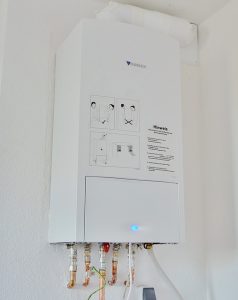
Most water heaters today heat the water directly as it is used. Those are instant water heaters.

A cumulus or a hot water tank (or ” boiler ” in English) are storage water heaters. They have the advantage of consuming less energy than instantaneous water heaters. Each quantity of hot water taken during the day is replaced by cold water, which will then be reheated. The capacity of the cumulus is an important aspect: when all the available hot water is consumed, only cold water will remain, and it will be necessary to wait for the night so that the system starts to heat it again. However, there is the possibility to put the cumulus or hot water balloon forced to heat the water, including during peak hours.

The boiler is used to heat the heating appliances such as radiators, but also the clean water. The boiler can be coupled with a hot water tank or water heater. The heating power is important.

A / Directly Heated Water Heaters Directly

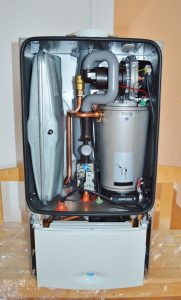
Heated water heaters operate independently of central heating and have their own burner. The water passes through a spiral pipe placed in the hot gases. This system is the most advantageous: the heating time is short, and the water flow is high.

B / Indirect Heating Water Heaters

Indirectly heated water heaters operate using the central heating boiler. The heating water is sent to a plate exchanger with a very large exchange surface. The heat is instantly transferred to the clean cold water. During the period of domestic hot water draw, the heating circuit is shortened by a bypass that turns the heating water under the flame before it goes to the radiators. Advantage: almost instantaneous warming.
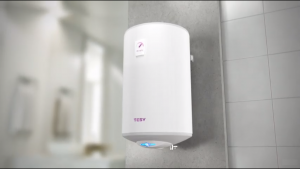
Other models operate on the same principle as the water bath: one tank in another. Hot water from the boiler that fills the outer container (water from the heating circuit) warms the water in the inner container (domestic hot water). Advantage: the reheating is softer; there is less danger of calcareous deposits. The inner tank contains hot water immediately available, but the heat transfer is slower; if the draw is huge, the temperature may drop.

The water heater (electric) can be installed in a house, an apartment, a caravan, a camper, a cabin or workshop, a camping bungalow… All points are having a water supply and a power supply.

For other types of water heater call best plumber, it’s a bit more complicated and it is important to hire professional plumber to install water heater.…

How To Choose Your Model Of Water Heater?

Water heaters come in different forms (vertical, horizontal, pedestal, wall) and with different functions and capacities.

A / Calculate The Capacity Of Your Water Heater

With a cumulus or balloon, it is important to calculate the need for domestic hot water. This will depend mainly on the number of people, the type of water heater and habits.

It is generally based on a minimum of 50 liters per day per person.

  • 100l water heater: for a house with a shower.
  • 200l water heater: for a home with a bath.
  • Cumulus 300l: for a family with three children and several bathrooms.

B /  Choose between the instantaneous water heater and storage water heater, then opt for a type of energy (electricity, gas, solar)

C /  Choose the flow you need. The current depends on the number of simultaneous users, your piping, the insulation of your sanitary piping. This is important. Otherwise, you will end up with the typical case where one person in the shower is under cold water while another is doing the dishes in the kitchen!

D / Choose the shape and size of your water heater according to the criteria above and the room in which you will install it.

…