Hot water heaters are essential appliances in every home. They provide warm water for everyday tasks like bathing, cleaning, and cooking. However, like any other appliance, they don’t last forever. So, how long do hot water heaters typically last? Let’s break it down and discuss ways to maximize their lifespan.
Understanding the Average Lifespan
The lifespan of a hot water heater depends on its type and maintenance. Here’s a general guide:
- Tank Water Heaters
- Average Lifespan: 8–12 years
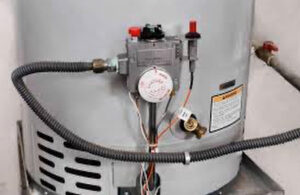
- Tank water heaters are the most common type found in homes. Over time, sediment buildup, rust, and wear on components can reduce their efficiency. Regular maintenance can help extend their lifespan.
- Tankless Water Heaters
- Average Lifespan: 20+ years
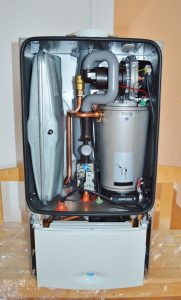
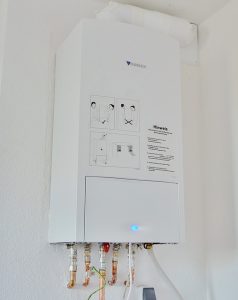
- Tankless systems, also called on-demand heaters, last much longer than traditional tanks. Since they don’t store water, there’s less risk of rust or sediment buildup.
- Factors That Influence Lifespan
- Water Quality: Hard water can cause mineral deposits to build up faster, reducing efficiency.
- Usage: Heaters in larger households often have a shorter lifespan due to heavier use.
- Maintenance: Systems that are regularly flushed and inspected last longer.
If your heater is nearing the end of its lifespan, it might be time to search for a professional. Look for services like water heater in Carlsbad to get expert advice on whether to repair or replace your unit.
Signs Your Water Heater Is Failing
Before your water heater stops working completely, it may show warning signs. Here are a few to watch for:
- Inconsistent Water Temperature
- Fluctuating water temperatures may indicate a failing heating element.
- Strange Noises
- Rumbling or popping noises are often caused by sediment buildup in the tank.
- Rusty or Discolored Water
- Rusty water suggests corrosion inside the tank.
- Leaks Around the Tank
- Water pooling near the heater is a sign of a leak and may require immediate attention.
- Reduced Efficiency
- If your water heater struggles to keep up with demand, it may be time for a replacement.
If you notice any of these issues, it’s important to act quickly. Contacting an emergency plumber in Carlsbad can help you avoid further damage and costly repairs.
How to Extend the Life of Your Water Heater
- Flush the Tank Annually
- Draining and flushing the tank removes sediment that can cause damage.
- Inspect the Anode Rod
- The anode rod helps prevent rust inside the tank. Replacing it every few years can add years to your heater’s lifespan.
- Install a Water Softener
- If your home has hard water, a water softener can reduce mineral buildup.
- Check the Pressure Relief Valve
- This valve is a critical safety feature. Make sure it’s functioning properly during routine inspections.
- Schedule Regular Maintenance
- Professional inspections can catch small problems before they turn into major repairs. Services specializing in water heater maintenance, like those offering water heater repair in Carlsbad, are invaluable for this.
When to Replace Your Water Heater
If your water heater is over 10 years old and showing signs of wear, replacement may be more cost-effective than repairs. Modern water heaters are more energy-efficient, which can save money on utility bills in the long run.
Replacing your unit with the help of an emergency plumber in Carlsbad ensures that the installation is done correctly and safely.
Conclusion
Most hot water heaters last 8–12 years, while tankless models can last over 20 years. Factors like water quality, usage, and maintenance play a significant role in determining their lifespan. Regular upkeep, such as flushing the tank and inspecting components, can extend the life of your heater and ensure consistent performance.
If you’re unsure whether your water heater needs repairs or replacement, contact a local expert offering water heater repair in Carlsbad. They can assess your system and recommend the best course of action. Staying proactive with maintenance not only extends the life of your heater but also keeps your home running smoothly.…