Installing a water heater is a crucial task for homeowners in Carlsbad, California. Whether you are replacing an old unit or setting up a new one, understanding the installation process is essential. This guide outlines the key steps involved in water heater installation and highlights the importance of hiring qualified plumbers, especially when you need an emergency plumber in Carlsbad.
Types of Water Heaters
First, let’s explore the different types of water heaters. There are two main categories to consider: tank and tankless water heaters.
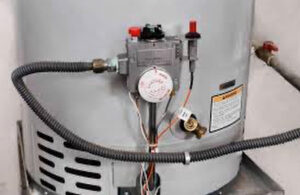
- Tank Water Heaters: These units come with a storage tank that holds heated water. They usually range in size from 30 to 80 gallons. Consequently, they are suitable for larger households that require a significant amount of hot water.
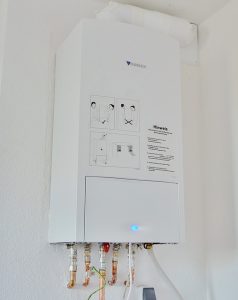
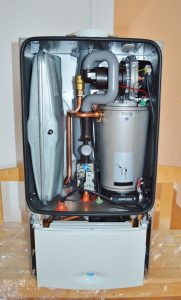
- Tankless Water Heaters: Also known as on-demand heaters, these units heat water directly without a storage tank. This type is more energy-efficient and provides an endless supply of hot water. Thus, tankless heaters are excellent for smaller homes or those looking to save on energy bills.
When choosing a type, consider your household’s hot water needs as well as your energy efficiency preferences.
Planning Your Installation
After selecting the right water heater, the next step is careful planning. Here are some important considerations:
1. Choose the Right Location
The installation location is critical for efficient operation. Ideally, you should place the water heater in an area that allows easy access for maintenance and repairs. For instance, consider using a utility room or garage. Additionally, make sure the location meets local building codes and has proper ventilation, especially for gas-powered units.
2. Obtain Necessary Permits
In Carlsbad, specific plumbing projects, including water heater installations, may require permits. Therefore, it is essential to check with the local building department to determine what permits you need. If you fail to obtain the necessary permits, complications and potential fines may arise.
3. Shut Off Water and Power Supply
Before starting the installation, turn off the water supply to the old heater. If you are replacing an electric heater, turn off the power at the circuit breaker. For gas heaters, turn off the gas supply. Taking these safety steps is crucial.
Installation Process
The installation process can vary based on the type of water heater and your existing plumbing setup. However, the general steps include:
1. Remove the Old Water Heater
If you are replacing an old unit, carefully disconnect and remove it from the plumbing and electrical connections. Be cautious while draining the tank, as it can be heavy and may still contain hot water.
2. Install the New Unit
- For Tank Water Heaters: Position the new water heater in the designated area, ensuring it is level. Next, connect the cold water supply line to the inlet and the hot water line to the outlet. Additionally, install the temperature and pressure relief valve according to the manufacturer’s instructions.
- For Tankless Water Heaters: Mount the unit on the wall according to the manufacturer’s guidelines. Connect the water supply lines and ensure that the electrical or gas connections are properly made.
3. Connect Power or Gas Supply
For electric heaters, reconnect the electrical supply, ensuring that all connections are secure. Follow the wiring diagram provided by the manufacturer. For gas heaters, connect the gas line and check for leaks using a soap solution.
4. Fill the Tank and Test
Before turning the power or gas back on, fill the tank with water. Open a hot water faucet in the house to allow air to escape. Once the tank is full, turn on the power or gas supply and check for leaks in the connections.
Conclusion
In conclusion, installing a water heater is not a simple DIY project. It requires careful planning and technical knowledge. Therefore, for Carlsbad residents, hiring a qualified plumber or an emergency plumber in Carlsbad is highly recommended. Professionals can ensure that your water heater installation meets all local codes and operates safely.
By understanding the installation process and available options, homeowners can make informed decisions. Whether you choose a traditional tank heater or a modern tankless model, proper installation will provide reliable hot water access for years to come.…